Field Notes From the Greyhound: A Writer's Guide to Eavesdropping Responsibly
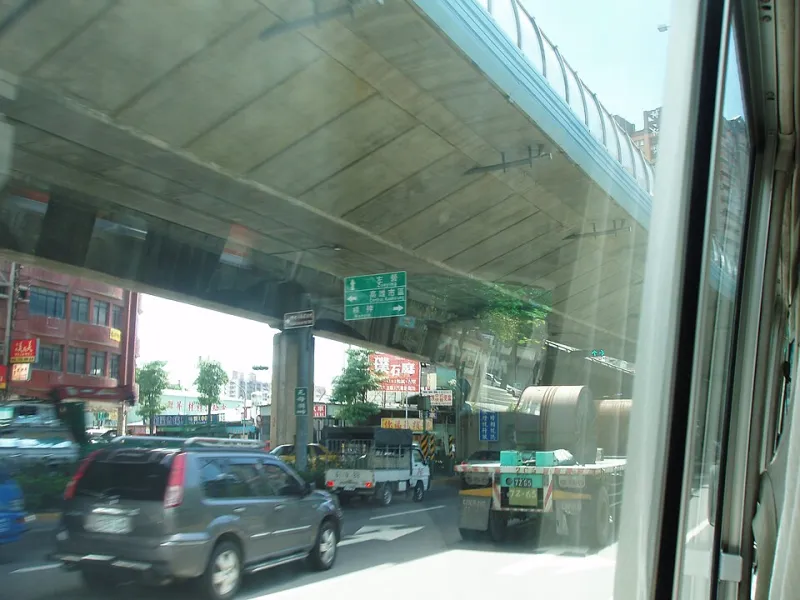
Photo: Dquai, CC BY-SA 4.0, via Wikimedia Commons
I've logged more hours on regional buses than I care to admit—routes that thread through Ohio farm country, up the Hudson, across the panhandle at dawn. The bus is the great equalizer of American travel, and for a writer, it's an unpaid MFA in human behavior. Here's what those rides taught me about turning observation into material.
1. People Rehearse Their Stories Before They Tell Them
Somewhere outside Terre Haute, the man beside me practiced his divorce announcement under his breath for a solid twenty minutes. "She kept the dog, that's fine, that's fine." He wasn't talking to me yet. He was loading the scene.
The takeaway: eavesdrop on the rehearsal, not just the performance. The version of the story people run before they deliver it is where the truth leaks. Note the phrases they repeat to convince themselves.
2. The Waiting Room Is the Opening Scene
Bus stations are theaters where everyone's in costume and nobody's off duty. In a station in Amarillo, I watched a teenager practice a handshake, a grandmother guard a Tupperware of cookies like state secrets, and a man in a suit nap standing up, briefly, like a horse.
The takeaway: when you're stuck on a character, put them in a transit station and decide what they do for thirty minutes with nothing to do. Waiting reveals people faster than plot does.
3. Seatmates Confess to Strangers Because Strangers Can't Cost Them Anything
A woman on a night ride to Nashville told me her entire plan to start over—new city, new name spelling and everything—somewhere around the Missouri line. She never asked my name. She didn't want to. I was a priest with no church.
The takeaway: intimacy and anonymity can coexist, and that contradiction is gold. Some of your best dialogue will come from characters who say everything to someone they'll never see again.
4. Landscapes Do the Exposition For You
Between towns, the bus window is a scrolling document: dollar stores, water towers with the town's name in chipped paint, a church marquee reading "GOD SEES YOUR BROWSER HISTORY." You learn the economy, the humor, the hopes of a place without a single line of dialogue.
The takeaway: setting isn't backdrop—it's a narrator. If you can't figure out how to tell us a character is struggling, describe what's visible from their window.
5. Write It Down Immediately or Lose It Forever
I once lost a perfect overheard line—something about a cousin, a boat, and a probation officer—because I trusted my memory over a rest stop in Arkansas. Gone. It was the best sentence I never wrote.
The takeaway: carry a notebook, use the notes app, write on your hand if you have to. Observation without capture is just daydreaming with witnesses.
The Ride Never Really Ends
Every ride added characters to my files: the handshake kid, the cookie grandmother, the woman starting over with a new spelling. They're all in drafts now, repurposed, disguised, occasionally recognizable only to me. That's the quiet trade of the writer on public transit—you take the world's leftovers and make them dinner. So next time you're stuck, buy the cheap ticket. Skip the flight. The story is already on board, sitting in the seat next to you, rehearsing.