Nobody Writes on the Treadmill: Why I Walk Without a Destination
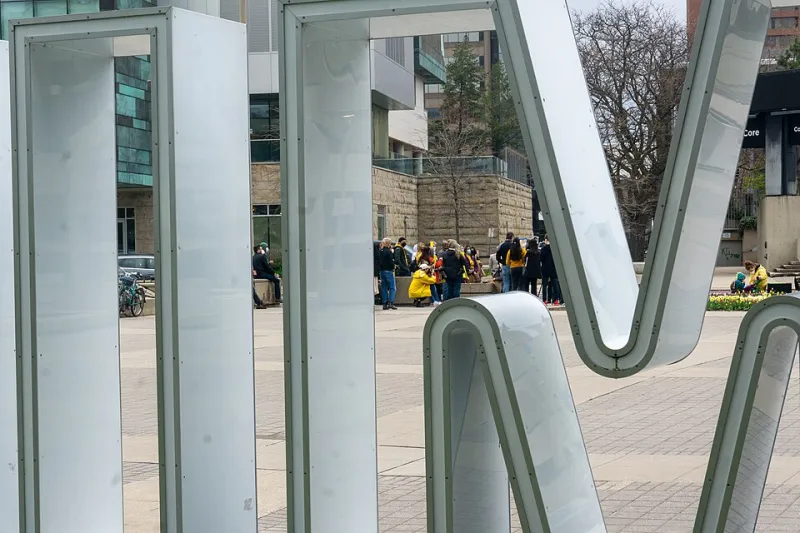
Photo: Joey Coleman from Hamilton, Canada, CC BY-SA 2.0, via Wikimedia Commons
I want to make a confession that will horrify anyone with a fitness tracker: I take walks that accomplish nothing.
No step goals. No podcast queued up. No phone call squeezed in. Sometimes I don't even take the phone, which in this economy feels close to illegal. I just leave the apartment, pick a direction based on vibes, and walk until I get bored or it starts raining.
These walks have done more for my writing than any productivity system I've ever tried. Let me make the case.
The Old Weirdos Who Walked
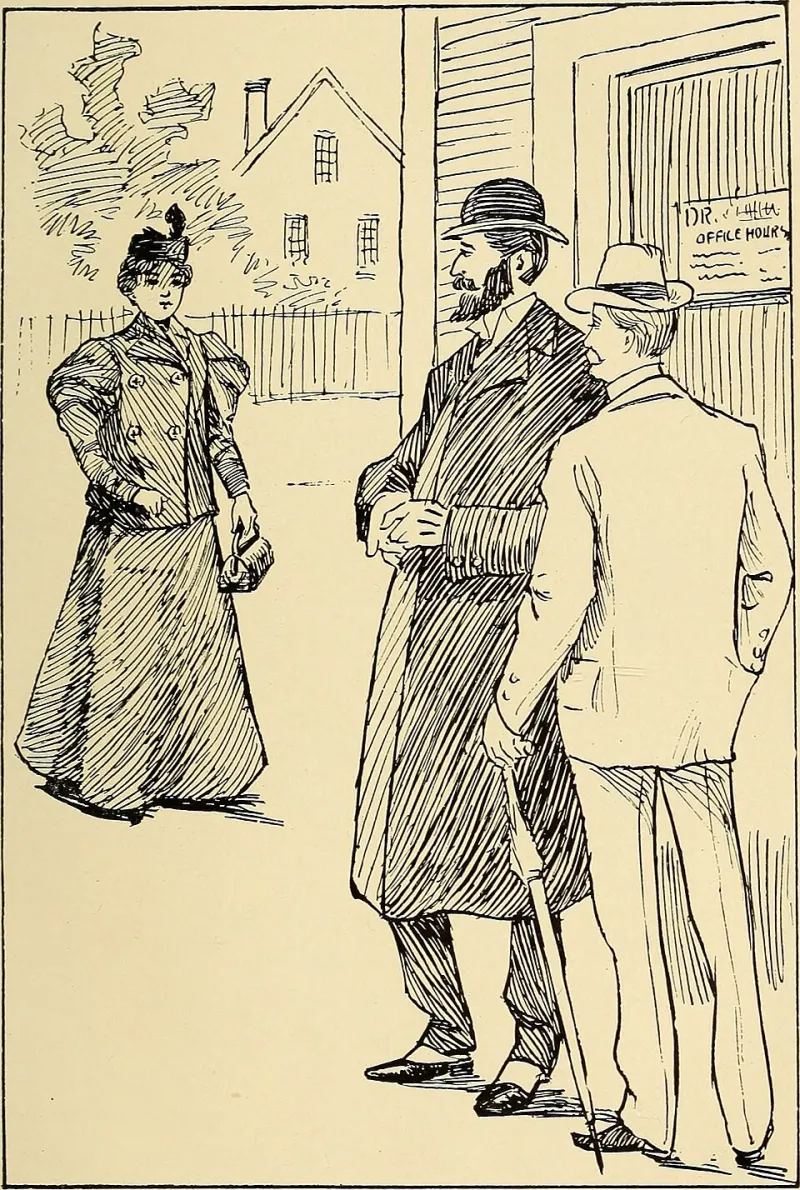
I didn't invent this. Nineteenth-century Paris had the flâneur—the idle stroller, the person who wandered the city purely to observe and be observed. Writers like Baudelaire treated aimless walking as an artistic practice, a way of letting the city write half the poem for you.
Across the Atlantic, the tradition was alive and unwell in the best way. Henry David Thoreau famously gave himself over to four hours of walking a day and warned that anyone who stayed in their tent too long grew restless "like a squirrel in a cage." Virginia Woolf's characters do their deepest thinking while walking London's streets—Mrs. Dalloway said she would buy the flowers herself, but she walked her way into an entire novel getting there. And the Danish philosopher Søren Kierkegaard claimed he walked himself into his best thoughts, adding that he knew of no thought so burdensome that one couldn't walk away from it.
The pattern here is hard to miss: some of the sharpest minds in literary history treated walking not as exercise but as method. Not cardio. Craft.
What Actually Happens Out There
Here's my working theory of why it works.
At a desk, your brain is in performance mode. You're being watched—by the cursor, by the deadline, by the ghost of every writing teacher who ever told you to cut adverbs. The stakes are visible and therefore paralyzing.
On a walk with no destination, nobody's watching. Your brain slides into a low-grade associative hum. You notice things: the neighbor's aggressive topiary, a conversation fragment from a café patio, the specific way afternoon light hits a brick wall in October. None of it is relevant. That's the point. When nothing is relevant, connections form freely.
Almost every structural problem I've ever had with a piece of writing got solved on a sidewalk. Not because I was trying to solve it—because I had finally stopped trying, and something in the back of my head kept working the problem like a dog with a bone.
There's actual science humming under this, for the skeptics: studies out of Stanford have found that walking boosts creative divergent thinking, whether you're on a treadmill or outside. But I'd argue the outdoors adds something the treadmill can't: friction. Weather. Other people. Small unpredictabilities that knock your brain off its well-worn grooves. A treadmill gives you movement; a street gives you a world.
The Case Against Optimizing Your Walk
The wellness industry has, predictably, gotten its hands on walking. We now track our walks, gamify our walks, optimize our walks for zone 2 cardio, and listen to productivity podcasts about productivity while walking.
I have no issue with any of this for fitness purposes. But if your walk has a goal, it stops doing the thing I'm describing. A walk with a destination—even a step-count destination—is just a commute with better scenery. The magic only kicks in when the walk is, by any measurable standard, useless.
Boredom is the active ingredient. We treat boredom like a bug in the human operating system, something to be patched with a phone the second it appears. But boredom is what happens right before your imagination starts filling the silence. Every time you patch it, you cancel the download halfway through.
How to Walk Badly
If you want to try this, here's my entire method, which I offer free of charge because it is essentially nothing:
Leave the house. Leave the headphones if you can stand it. Pick a direction you don't usually go. Walk until you're curious about a turn, then take it. When you notice something—a sign, a tree, a stranger's excellent dog—actually notice it. Resist the urge to photograph it for later. Later doesn't need it. You needed the noticing.
Then come home and see what shows up on the page. It's rarely the thing you noticed. It's usually stranger than that.
The flâneurs had it right, I think. The city is full of stories lying around loose, and the only way to collect them is on foot, at a stroll, with absolutely nowhere to be. Your novel, your essay, your half-finished something—it's not at your desk.
It's outside. Go get some steps. Or better yet, don't count them.