In Praise of the Dangling Thread: What I Learned From Never Typing 'The End'

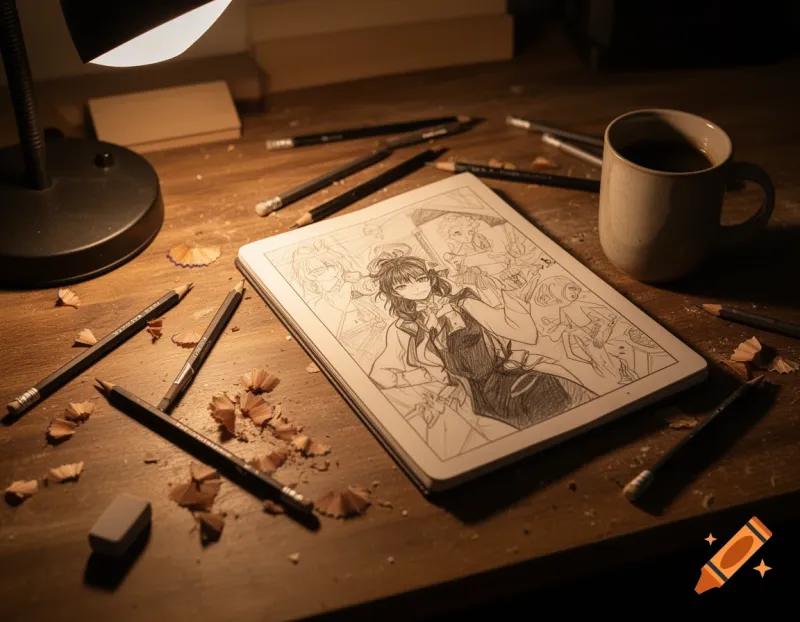
Photo: Shixart1985, CC BY 2.0, via Wikimedia Commons
There's a file on my laptop called "done-ish" and it contains eleven stories, each one missing its final beat. No climax, no resolution, no tidy little bow. Just characters mid-gesture, suspended like dancers who forgot the music stopped. For years I was embarrassed by this file. Now I consider it the truest thing I've ever written.
The Ending Was a Performance
I used to think a story wasn't legitimate until it landed. Closure, I believed, was the admission fee—pay it or don't bother submitting. So I'd bolt on endings the way you'd throw a tarp over furniture before company arrives. Technically covered. Spiritually hollow.
The turning point came at a friend's reading in Portland. She finished a short story, closed her notebook, and the room sat in that polite post-climax silence. Then someone in the back asked what happened to the sister. My friend shrugged and said, "I don't know. I stopped where I stopped." And something in me unclenched. She wasn't lazy. She was refusing to lie.
Open Loops Are an Invitation
Here's what nobody tells you about restraint: it hands the story back to the reader. When I end a piece at the moment before the phone call, before the door opens, before the confession—I'm not withholding. I'm trusting. The reader gets to finish the sentence in their own head, and their version is always more personal than mine could ever be.
Think of the TV shows we can't stop talking about—the ones that cut to black instead of answering. We argue about them for years. Ambiguity isn't a failure of craft; it's the thing that keeps a story breathing after you let go of it.
My Signature, Apparently
At some point, the half-told became my style. Serial commas trailing off. Final paragraphs that gesture toward a horizon instead of describing it. An editor once told me my endings feel like "the last day of summer vacation—you know something's over, but nobody's said it out loud." I've decided to take that as a compliment and a mission statement.
I still get the itch to resolve things. Every draft whispers that it would be so easy, just one more paragraph, just tie it up. But closure in writing is often a courtesy to our own anxiety, not a service to the story. The reader doesn't need the tarp. They need the furniture.
What the Unfinished Teaches
Leaving things incomplete has changed how I live, too. I've stopped forcing conversations to neat conclusions. I've stopped pretending every creative phase needs a deliverable. Some things are allowed to stay in the middle. Some questions are allowed to stay questions.
The "done-ish" file isn't a museum of almosts—that's a different folder, and a different essay. It's a garden of maybes. And maybes, I've come to believe, are the most generous thing a writer can offer. So no, I won't be wrapping this up with a neat takeaway. You know where the door is. I'm leaving it open.