The Night-Shift Nurse, the Teenager in Ohio, and Other People I'll Never Meet
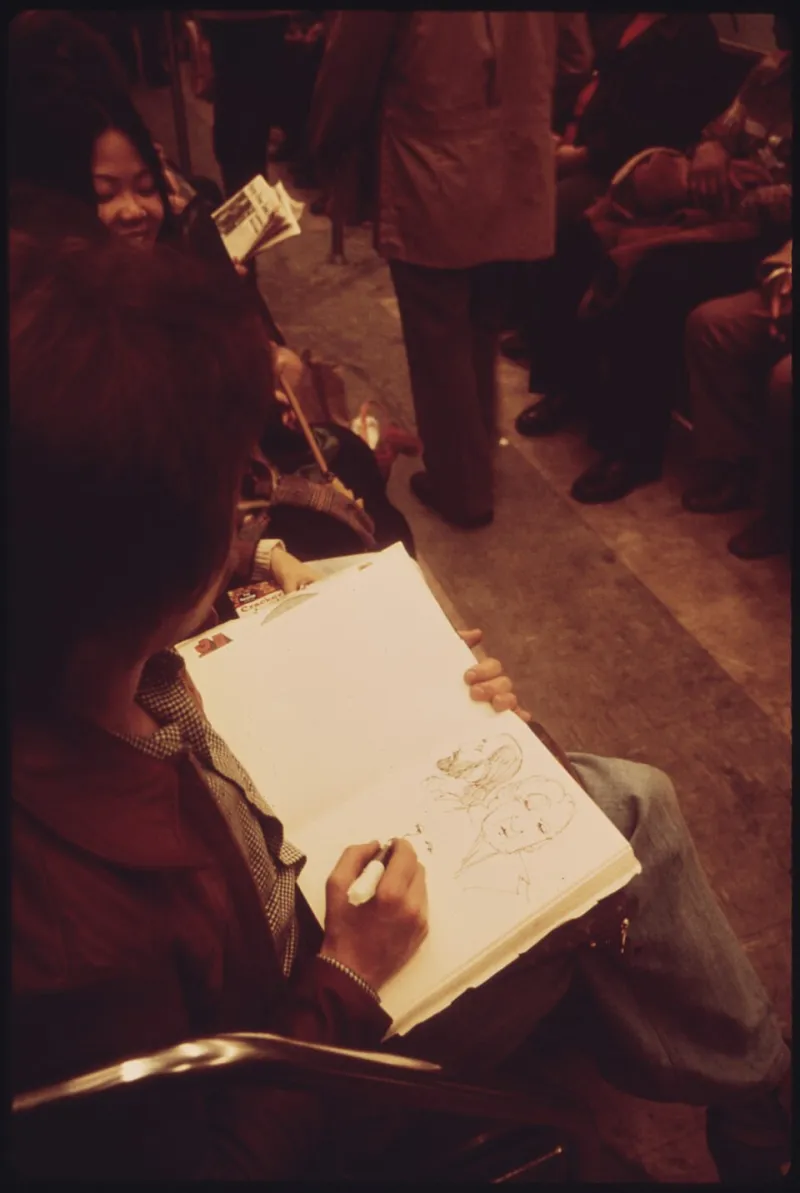
Photo: Jayvee Enaguas (The Harvett Vault), CC BY 4.0, via Wikimedia Commons
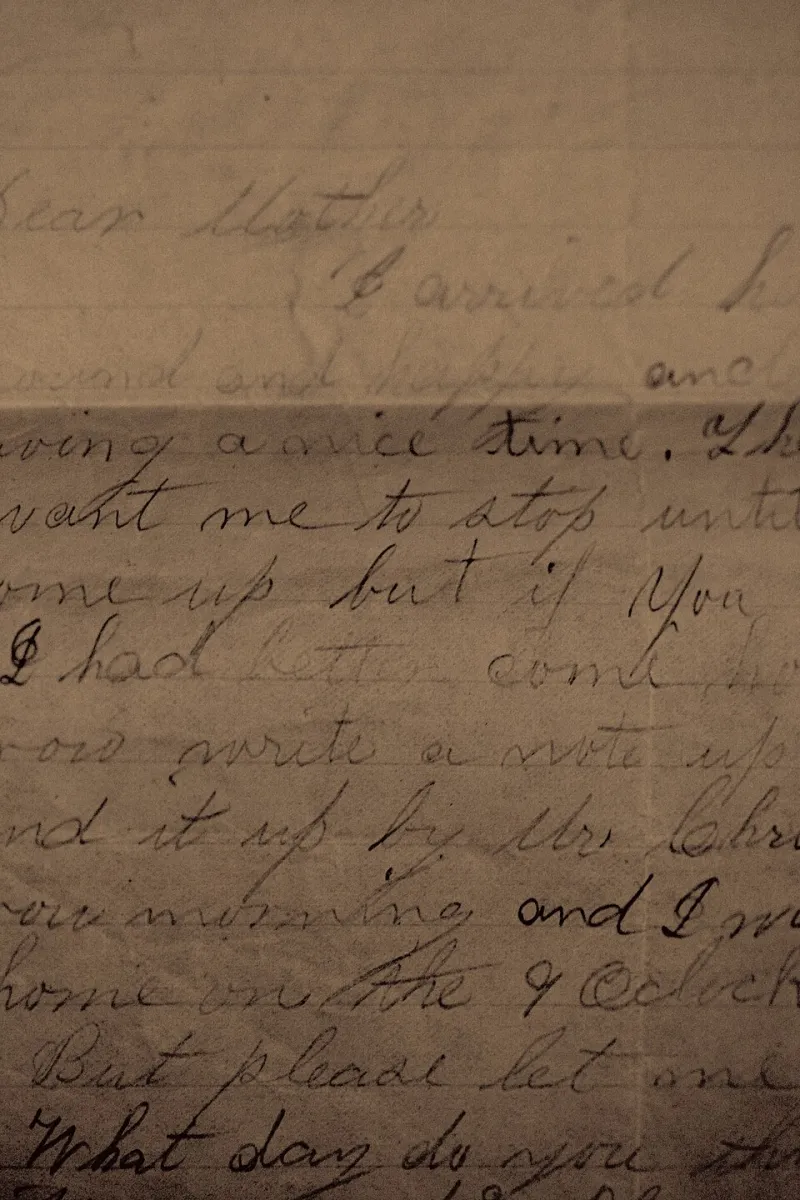
There's a message in my inbox that I've never deleted, even though I've switched email providers twice since it arrived. It came from a night-shift nurse in Michigan — or maybe Wisconsin, the memory blurs — who found a short essay I wrote about my father's hospital stay and read it during her 3 a.m. break, somewhere between patients, in a break room that smelled like burnt coffee and hand sanitizer.
She wrote four sentences. I've read them maybe two hundred times.
This is the strange arithmetic of putting personal work on the internet: you spend three hours alone at your kitchen table turning something painful into something shaped, you hit publish, you feel foolish, and then — sometimes months later — a stranger hands you back a piece of their own life in exchange. Four sentences. That's the whole transaction. And somehow it's enough to keep a private artist going for years.
The People Who Show Up Uninvited
The feedback I get from strangers falls into categories my friends never occupy. There's the teenager in Ohio who told me my essay about failing a drawing class made her feel less like the only untalented person in her school. There's the retired teacher in Georgia who wrote to say she disagreed with me about almost everything but appreciated that I'd said something worth disagreeing with. There's a man whose name I never learned who emailed a single line: "I needed this today. I won't say why."
That last one haunts me in the best way.
Friends read your work the way they watch your kid at a school play — with love, with pride, with a protective instinct that softens everything. They tell you it's good because they want you to keep going. Strangers have no such obligations. They found your corner of the internet by accident, at an hour they'd rather not admit, and they respond only when something actually lands. Their praise has no social debt attached to it. Which means their silence doesn't either.
I've come to trust the strangers disproportionately. Not because they're kinder — sometimes they're brutal — but because they have nothing at stake in flattering me.
Why the Anonymous Reader Says What Your Friends Won't
Here's a pattern I've noticed: the more personal the piece, the more likely a stranger is to match that vulnerability with their own. A funny listicle gets a thumbs-up emoji. A confession gets a confession.
I once wrote about the shame of quitting a job I'd spent years chasing. My friends sent supportive texts. But a woman I'll never meet wrote three paragraphs about the job she quit in 2019, the one her family still brings up at Thanksgiving, the one she'd do it all over again. She wasn't responding to my essay so much as continuing it — passing the relay baton of honesty into my hands and asking me to keep running.
This is the intimacy nobody warns you about when you publish online. You're not broadcasting into a void. You're sitting across from a table of strangers at a diner you can't see, and every so often one of them looks up and tells you the true thing.
The Economics of Four Sentences
I want to be honest about the math, because I think we lie about it. The internet tells artists that attention is the currency — followers, impressions, engagement graphs that go up and to the right. But for a writer like me, whose audience fits comfortably in a school bus, the currency is different. It's density, not volume.
Four sentences from a night-shift nurse outweigh a thousand passive page views. Not emotionally — well, yes, emotionally — but practically. Those messages are the reason the drafts folder keeps filling. Every artist I know who's stuck has the same look: not tired of creating, tired of creating into nothing. The stranger's note is proof that the signal reached land.
And because these readers are anonymous, the feedback stays pure. The teenager in Ohio will never ask me to look at her portfolio. The retired teacher in Georgia isn't networking. They wanted nothing. Which is rare, and therefore precious, and therefore the thing I protect most carefully about this little website.
What I Owe Them Back
For a long time, I treated reader messages like a bonus — nice when they came, not expected. I've changed my mind. I think if a stranger hands you their honesty, you owe them two things: you keep writing, and you answer like a person, not a brand.
So when the nurse wrote, I wrote back. When the teenager in Ohio said she felt like the only one, I told her about the drawing I ruined in front of thirty people. Small exchanges, minutes of my life. But I've started to think of those replies as the actual work — not separate from the essays but the final paragraph of them, the part that only exists if someone shows up to read it.
I don't know the nurse's name. I don't know if she's still working nights, still reading essays in break rooms, still burning her mouth on break-room coffee. But I know that on some 3 a.m. in Michigan or Wisconsin, something I made at my kitchen table kept a person company. That's the whole job, honestly. Everything else is furniture.
If you're one of the anonymous ones — and statistically, you might be — thank you. Keep writing. I read every word.